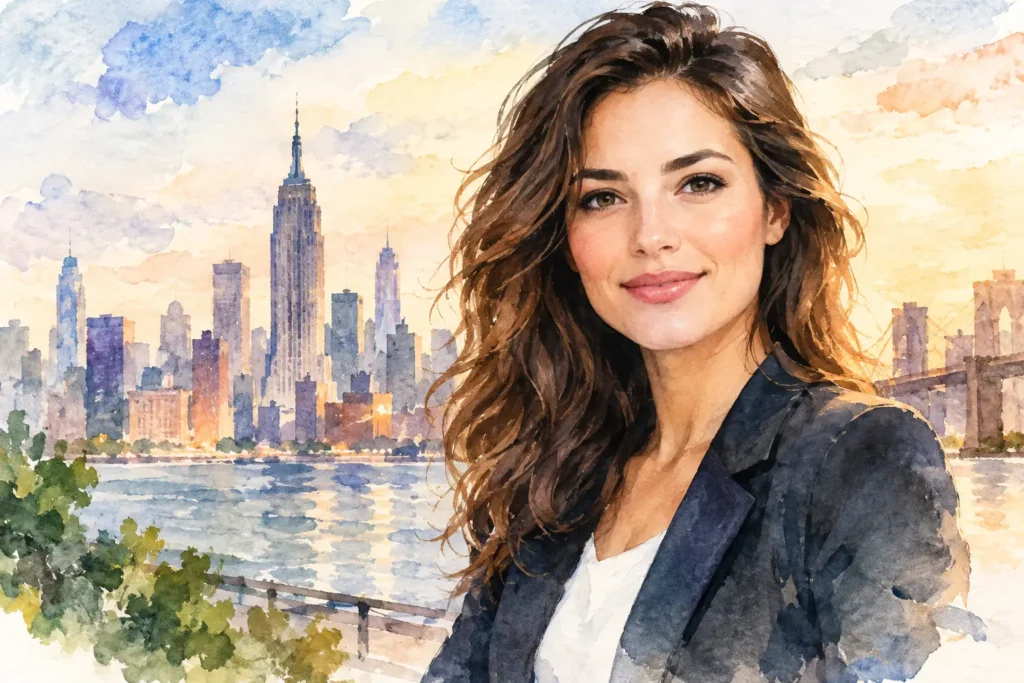
A headshot has to do more than show what you look like on a good day. It needs to help someone make a decision: call you in, trust you with a meeting, remember your name, or see you as the right fit. This New York headshot guide is built around that practical goal. The strongest images feel polished without looking overworked, and confident without losing the person behind the expression.
In a city where people often meet you first through LinkedIn, a casting profile, a company website, or an email signature, an outdated photo can quietly work against you. The answer is not to chase a trend. It is to create a current image that makes your professional presence clear.
Start With the Job Your Headshot Needs to Do
Before choosing an outfit or booking a session, ask where the image will live and what it needs to communicate. An actor’s headshot has a different assignment than an executive portrait. An entrepreneur may need images that feel approachable and decisive, while a corporate team needs consistency across many people without making everyone look identical.
For actors, the priority is specificity. Casting needs to see you clearly and quickly understand the kinds of roles you can credibly play. That does not mean forcing a type. It means choosing wardrobe, background, expression, and framing that support the work you are actually pursuing. A clean, connected headshot will usually do more for you than an image that is dramatic but hard to read at thumbnail size.
For business professionals, the goal is trust. A strong LinkedIn or executive headshot should feel current, capable, and appropriately polished for your industry. Finance, law, technology, health care, and creative work can call for different levels of formality. There is no single “professional” look. The right choice depends on the audience you need to reach.
For teams, consider the larger visual system. Similar lighting, framing, and background create cohesion across a website or pitch deck. At the same time, people should still look like themselves. Consistency should support the brand, not flatten the personalities within it.
What to Wear for a Headshot
Your clothing should support your face, not compete with it. Solid colors and subtle texture tend to work well because they hold up across platforms and keep attention where it belongs. Mid-tone colors are often reliable, while very bright white, heavy black, or strong patterns can be more difficult depending on the background and lighting.
Bring options if you can. Two or three tops or layers give you room to compare how colors and necklines feel on camera. A jacket can add structure for a business image. A softer shirt or knit may feel more natural for an actor or creative professional. The best option is usually the one that fits well, reflects your everyday professional self, and lets you move comfortably.
Avoid buying an entirely new wardrobe for the shoot unless it genuinely suits you. Clothing that is unfamiliar often shows up as stiffness. You want to feel like a sharper version of yourself, not like you are wearing a costume.
Grooming matters, but restraint matters too. Plan a haircut or color refresh far enough ahead that it settles naturally. Keep makeup and retouching aligned with how you look in real life. A headshot can be refined without becoming unrecognizable. If a client or casting director meets you after seeing the image, the connection should feel immediate.
The New York Headshot Guide to Looking Natural on Camera
Most people do not need more confidence before a headshot session. They need clear direction. Feeling awkward in front of a camera is normal, especially when the image has career stakes. The photographer’s job is to create enough structure that you can stop wondering what your face and hands are doing.
Natural does not mean unprepared. Small changes in posture, chin position, shoulders, breath, and eye line make a meaningful difference. Good direction is specific and responsive: turn slightly, bring the shoulders down, let the expression settle, think of a person you enjoy talking to. These adjustments help create an image with energy rather than a fixed smile.
Do not try to hold one expression for an entire session. The best frames often happen between poses, when you have just relaxed after a laugh or responded to a prompt. Give yourself permission to move, reset, and try again. A thoughtful headshot session is collaborative, not a test you can fail.
It also helps to arrive without rushing. New York schedules can be tight, but build in enough time to get to the studio or location, check your clothing, and take a breath. A calm start affects the entire session. Coffee, water, and a simple meal can help too, especially if your appointment falls in the middle of a demanding workday.
Studio or Location: Choose What Supports Your Brand
A studio headshot offers control. The lighting is consistent, the background is clean, and the focus stays fully on you. This is often the right choice for actors, executives, and anyone who needs a versatile image for several platforms. A well-made studio portrait can look modern and personal without relying on a distracting setting.
A location session can add context. An office, neighborhood street, architectural setting, or workspace may make sense for founders, real estate professionals, creatives, and brands that benefit from a lifestyle feel. The trade-off is that location images require more planning. Weather, foot traffic, changing light, and background clutter all affect the result.
For some clients, the best answer is a mix: a clean primary headshot for profiles and a few environmental portraits for websites, press materials, or social content. The key is not to collect images for the sake of having more images. Each photo should have a clear use.
Know What Makes an Image Feel Current
A current headshot is not defined by a trendy pose or a heavily edited finish. It is defined by accuracy. Your hairstyle, facial hair, glasses, body shape, and general presentation should match the person people will meet now, not the person you were several years ago.
Retouching should remove temporary distractions, such as a breakout or minor under-eye fatigue, while preserving skin texture and character. Over-retouching can create distance. The viewer may not identify the editing, but they can sense when an image feels less human.
For a business profile, update your headshot when your role, brand, or appearance changes significantly. For actors, a new look, different hair length, or a shift in the roles you are pursuing can all be good reasons to refresh. If you are hesitating because your current image is “good enough,” ask whether it still represents the level of work you want next.
Use Your Headshot Consistently
Once you have a strong image, give it a job. Use the same primary headshot across LinkedIn, company bios, professional directories, speaker pages, email profiles, and other places where consistency builds recognition. For actors, make sure your chosen image aligns with your casting materials and represents you clearly at a small size.
Consistency does not mean using one photo everywhere forever. A corporate bio may call for a more formal image than Instagram. A website may benefit from a wider portrait with room for text. But the overall visual message should remain recognizable: this is who you are, and this is how you show up professionally.
The right headshot will not manufacture credibility. It gives the credibility you already bring a clear, confident place to land. Show up prepared, let yourself be guided, and choose the image that feels most like the person you want others to meet.