A headshot can be polished without becoming a different person. That is the real question behind retouched versus natural portraits: not whether editing is good or bad, but whether the final image still feels credible when someone meets you in a casting room, on a video call, or across a conference table.
For actors, executives, entrepreneurs, and teams, a portrait is not simply a flattering picture. It is a professional introduction. It needs to show care, confidence, and current relevance while still looking like the person who will walk through the door. The most effective approach usually lives between two extremes: thoughtful retouching that removes distractions and natural detail that keeps the image believable.
Retouched Versus Natural Portraits Is Not a Binary Choice
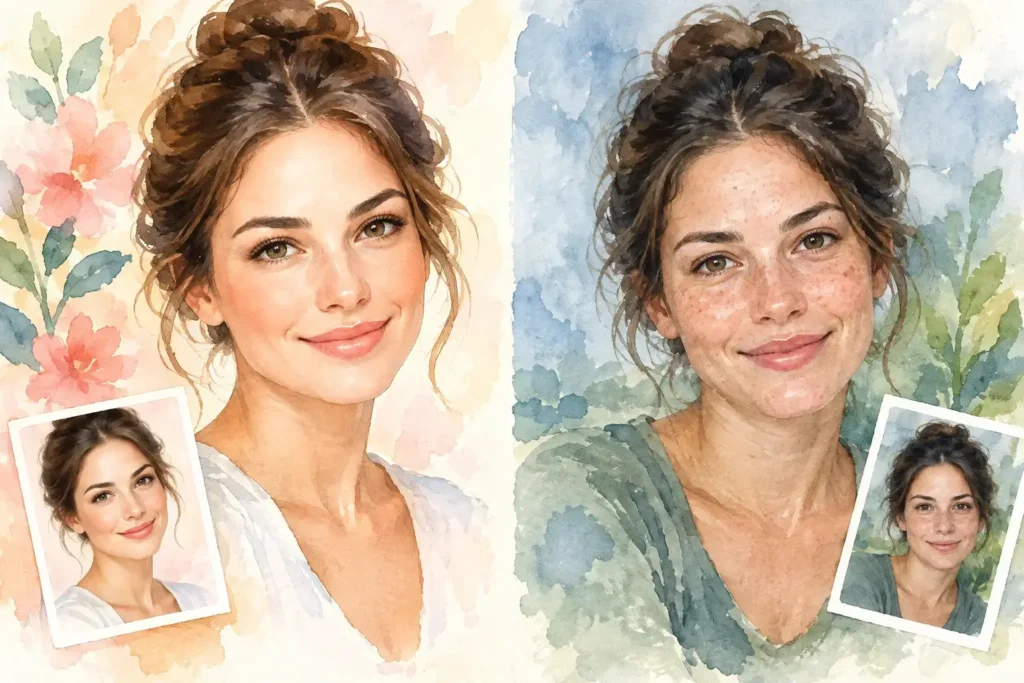
People often picture retouching as heavy skin smoothing, erased lines, reshaped features, and brightened eyes that no longer look human. That kind of editing exists, but it is not the only option. Professional retouching can be subtle, practical, and nearly invisible.
A natural portrait is not necessarily an unedited portrait, either. Camera sensors, studio lighting, lenses, and color processing all influence what appears in an image. Even a photograph that feels completely true to life has been shaped by choices made before and after the shutter is pressed.
The better question is: what details are part of your recognizable appearance, and what details are temporary distractions? A small blemish that appeared that morning, lint on a jacket, a stray hair across an eye, or redness from a long commute rarely needs to define a professional image. On the other hand, distinctive freckles, facial structure, texture, and the expression lines that make you look like yourself often deserve to stay.
The goal is not perfection. The goal is consistency between the portrait and the person.
What “Natural” Should Look Like in a Professional Portrait
Natural does not mean casual, unprepared, or flat. A strong natural portrait can still have intentional lighting, refined color, clean wardrobe, and careful posing. It simply avoids edits that make the viewer question whether the image is current or accurate.
For a business headshot, natural often means healthy-looking skin with realistic texture, accurate eye color, and a confident expression that does not feel forced. The image should look good on LinkedIn, an executive bio, a company website, or a speaker profile without feeling overly filtered next to colleagues’ photos.
For an actor, natural is closely tied to casting usefulness. A casting team needs to understand your type quickly and trust that the person in the image is the person they will see at an audition or self-tape. Keeping real features visible can make a headshot more specific and more memorable. A face with character gives people something honest to respond to.
Natural is also about expression. No amount of retouching can fix a guarded smile or an uncomfortable stare. Clear direction during the session matters more than aggressive post-production because connection, ease, and presence are what make a portrait feel alive.
Natural Does Not Mean Leaving Every Distraction Untouched
There is a difference between preserving real skin and preserving every temporary imperfection. A good retoucher makes judgment calls based on whether a detail is permanent, meaningful, or distracting.
For example, a fresh breakout may be reduced. Under-eye darkness might be softened while leaving enough texture to avoid a blurred, artificial result. A shine spot can be controlled, and a wrinkled shirt can be cleaned up. These adjustments help the viewer focus on you rather than on a detail that does not represent how you normally present yourself.
This is especially useful in New York City, where busy schedules, travel, dry winter air, and the pace of work can show up on camera even when you feel perfectly capable and prepared.
When Retouching Helps Your Professional Image
Retouching earns its place when it supports the purpose of the photograph. It can create a cleaner, more consistent visual impression without changing identity.
For corporate teams, measured editing helps photographs sit together well on a company website. Employees may be photographed on different days, in different offices, or under changing conditions. Consistent color, exposure, and light cleanup give the full team a unified look while allowing each person to remain distinct.
For entrepreneurs and public-facing professionals, retouching can support brand positioning. If your work requires trust, expertise, or premium service, your image should communicate attention to detail. That does not mean looking airbrushed. It means looking rested, intentional, and ready to represent your business.
For actors, a light hand is often best. The headshot needs to hold up when a casting associate looks from the thumbnail to the larger image, then from the image to a reel or self-tape. If the photo relies on extensive skin editing or facial reshaping, the mismatch can work against you.
Retouching should also match where the image will live. A large print, a beauty-focused campaign, and an executive LinkedIn portrait do not need the same level of detail. The more personal and professional the interaction that follows, the more important it is to stay recognizable.
Where Heavy Retouching Can Work Against You
Over-editing can create a short-term visual payoff and a longer-term trust problem. Skin that is too smooth can appear plastic. Whitened eyes and teeth can look unnatural. Reshaping a jawline, nose, body, or face may make a portrait feel more like an advertisement than a current representation.
The risk is not only aesthetic. It is practical.
A recruiter may wonder whether your photo is outdated. A prospective client may feel a subtle disconnect when they meet you. A casting team may question whether your headshot accurately represents your age range, features, or overall type. None of these reactions need to be dramatic to matter. Professional portraits work best when they reduce uncertainty, not create it.
There are also emotional costs. If you only feel comfortable sharing an image after every sign of real life has been removed, it can make being photographed feel more stressful than it needs to be. A well-directed session should help you see what is already working: your expression, posture, warmth, focus, and presence.
How to Choose the Right Level of Editing
Start with the job your portrait needs to do. If you are an actor, ask whether the image clearly represents the person casting will meet. If you are applying for leadership roles, ask whether it looks confident and current in the context of your industry. If you lead a company, ask whether it reflects the level of care clients can expect from your brand.
Then consider your normal presentation. If you regularly wear glasses, your headshot should usually include them. If you have a recognizable beard, natural curls, or facial features people associate with you, editing should not erase them. A headshot is most useful when it reflects your everyday professional self on a strong day.
It also helps to be direct about concerns before the camera comes out. If there is a feature you are self-conscious about, say so. A collaborative photographer can offer honest feedback about what the camera sees, what lighting can solve, and what can be adjusted later without compromising authenticity.
At SoVane Photography, that conversation is part of creating an image that works beyond the session. The best result is not one that follows a universal retouching rule. It is one that aligns with your goals and still feels like you.
A Better Standard Than “Perfect”
Instead of asking whether your portrait should be retouched or natural, use a more useful standard: would someone who knows you recognize this as you at your best?
That standard leaves room for professional polish. It allows for blemish cleanup, refined color, and a little extra care where the camera is unforgiving. It also protects the things that create trust: recognizable features, real expression, and a sense that the person in the image is ready to show up.
The right portrait should not make you feel hidden behind editing. It should make you feel prepared to be seen.