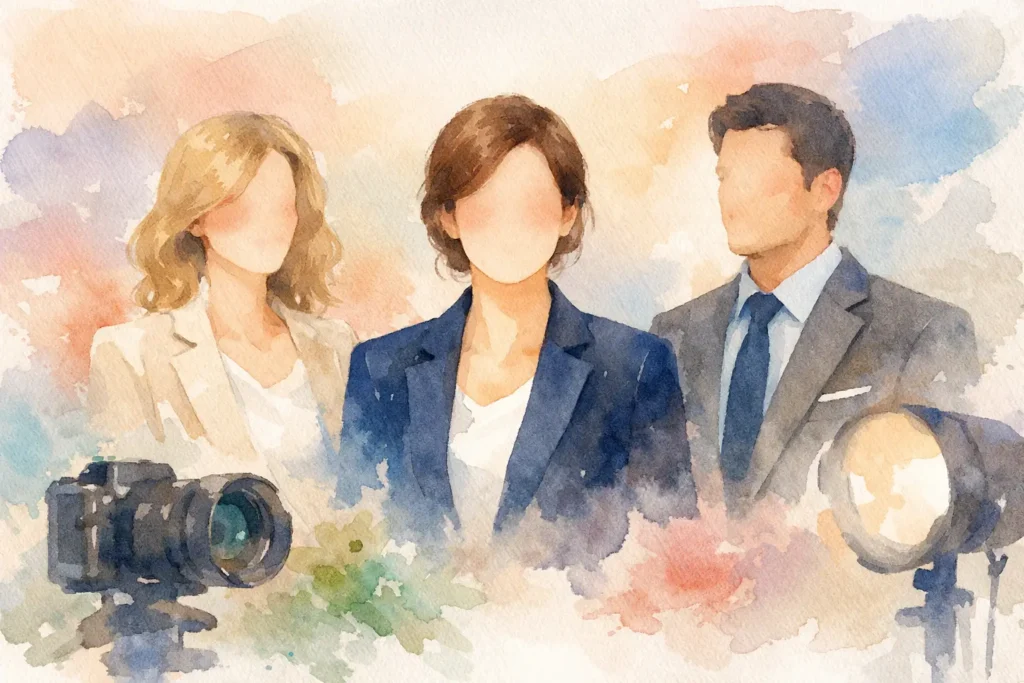
A strong headshot can do a lot of work before you ever speak. It shapes first impressions on LinkedIn, company websites, speaker bios, pitch decks, and press features. That is why what to wear for business headshots matters more than most people expect. The right outfit does not just look good on camera. It helps you look credible, approachable, and aligned with the role or brand you want to represent.
What to wear for business headshots starts with purpose
Before you pick a shirt or book a blowout, ask one practical question: where will this photo be used?
A startup founder, a law firm partner, and a creative director may all need professional headshots, but they should not necessarily dress the same way. If the image is for a corporate website, your clothing should fit that environment. If it is primarily for LinkedIn or personal branding, you may have a little more room to show personality. If you need the headshot to work across multiple platforms, the safest choice is usually polished, simple, and slightly elevated from what you would wear on an average workday.
This is where people often overcomplicate things. You do not need a costume version of professionalism. You need clothing that feels like a refined extension of how you already present yourself at your best.
The best outfit is polished, simple, and well-fitted
Fit matters more than trend. A beautifully tailored blazer from five years ago will usually photograph better than a brand-new item that pulls at the buttons, bunches at the shoulders, or hangs awkwardly.
Camera framing makes small fit issues stand out. Since headshots are often cropped from the chest up, the neckline, collar, shoulders, and lapels do most of the visual work. If those areas sit cleanly, the whole image feels more professional.
In most cases, solid colors are the strongest choice. They keep attention on your face and expression rather than competing for it. Mid-tone and rich colors tend to photograph especially well because they add shape without overwhelming your features. Navy, charcoal, soft blue, forest green, burgundy, cream, and muted earth tones are often reliable choices.
Bright neon shades, overly stark white, and pure black can be trickier. That does not mean you should never wear them, but they can create exposure issues or feel visually harsh depending on your skin tone, the lighting, and the background. It depends on the setup and the look you want, which is one reason a guided session matters.
What to wear for business headshots by industry and role
The most effective headshots feel appropriate, not generic.
If you work in finance, law, consulting, or a more traditional corporate setting, structured clothing usually makes sense. A blazer, tailored jacket, collared shirt, blouse, knit top, or simple dress can all work well. These choices communicate professionalism without trying too hard.
If you are in a creative field, tech, media, or entrepreneurship, you may have more flexibility. A refined knit, modern jacket, open collar, or polished top in a strong color can feel current and confident while still reading as professional. The key is to avoid going so casual that the image loses authority.
For executives and client-facing professionals, the goal is often trust. For founders and personal brands, it may be trust plus personality. For job seekers, it is usually competence and approachability. Your outfit should support that message.
Layers help, but only if they add structure
A jacket or blazer can instantly sharpen a headshot. It creates shape through the shoulders, adds visual depth, and often gives people a more confident posture. That said, not everyone needs one.
If a blazer feels natural to your role and personal style, bring it. If it makes you look stiff or uncomfortable, that discomfort can show up in the image. Sometimes a clean blouse, fine-gauge sweater, or structured top works better because you feel more like yourself.
Layers are especially useful if you want variety without bringing an entire wardrobe. A base layer with one or two outer options can give you multiple looks quickly. For example, a simple top under a blazer can produce a more formal image with the jacket and a slightly softer one without it.
The trade-off is bulk. Thick fabrics, oversized cardigans, and puffy layers can add visual weight on camera. Clean lines usually photograph better.
Patterns, textures, and logos
This is where restraint pays off.
Small, busy patterns can become distracting on camera. Thin stripes, tiny checks, and intricate prints may not read well in a tightly framed image. They can also pull attention away from your face, which is the opposite of what a headshot should do.
Texture is different. Texture can be great when it is subtle. A knit with a fine weave, a matte blazer, or a fabric with a little dimension can add richness without distraction.
Visible logos, slogans, and brand marks are usually best avoided unless they are essential to your business identity. Most people want a headshot that feels current for a while, and obvious branding can date the image or limit where it can be used.
Necklines and accessories matter more than people think
Because business headshots are cropped closely, the area near your face has outsized impact.
Necklines should frame the face cleanly. Crew necks, V-necks, collars, and simple open necklines can all work, depending on your features and the look you want. Extremely low-cut tops, overly stiff collars, or anything that twists or gaps can become distracting quickly.
Jewelry should support the image, not lead it. Simple earrings, a classic necklace, or a watch can work well if they feel true to your style. Large statement pieces can be effective for some branding sessions, but for a standard professional headshot, less is often stronger.
Glasses are a personal decision. If you wear them regularly and people know you in them, it often makes sense to include them in at least some images. Just make sure the lenses are clean and the frames are not so dominant that they take over your face. Many clients benefit from photographing both with and without glasses if time allows.
Grooming should look intentional, not overdone
The goal is to look like a well-rested, polished version of yourself.
Hair should feel camera-ready, but not unfamiliar. If you are getting a haircut, do it a few days before the session rather than immediately beforehand. That gives it time to settle. The same logic applies to beard trimming.
Makeup for business headshots tends to work best when it is clean and natural. A little more definition than everyday makeup can photograph well, but heavy contouring or trend-driven looks may not age well. Shine control matters for everyone, especially under studio lights.
Nails, skin, and grooming details are worth a quick check, even if they are not the main focus of the image. People notice overall polish, even when they cannot pinpoint why.
Bring options, but keep them strategic
One of the easiest ways to reduce stress is to prepare two or three strong outfits instead of gambling on one. That gives you flexibility without creating decision fatigue during the session.
The smartest way to build options is around purpose. Bring one look that feels more formal, one that is slightly more relaxed, and one that offers a different color or neckline. Keep the choices within the same professional lane so the final gallery feels cohesive.
If you are not sure what works, lay the pieces out ahead of time and look at them as a group. You want variety in tone and texture, but consistency in professionalism. At SoVane Photography, this is often where honest feedback makes a real difference. People tend to bring one outfit they love, one safe backup, and one item they were unsure about from the start. Usually, that uncertainty is there for a reason.
A few common mistakes to avoid
The most common mistake is choosing clothes that are technically professional but do not feel like you. If you never wear a tie, a stiff formal look may read as awkward. If your entire brand is modern and approachable, an overly severe outfit may send the wrong message.
Another mistake is saving your decision for the last minute. Wrinkles, missing buttons, lint, and poor fit create avoidable stress. Try everything on in advance. Sit down in it. Move around. Make sure you are not adjusting it every few seconds.
Finally, do not assume the most expensive outfit is the best one. The camera responds better to fit, color, and confidence than to labels.
The right clothing should make your headshot feel clear and believable. When your outfit supports your face instead of competing with it, you come across as more grounded, more confident, and more ready for the opportunities that image is meant to attract. If you are deciding between something flashy and something honest, honest usually wins.