
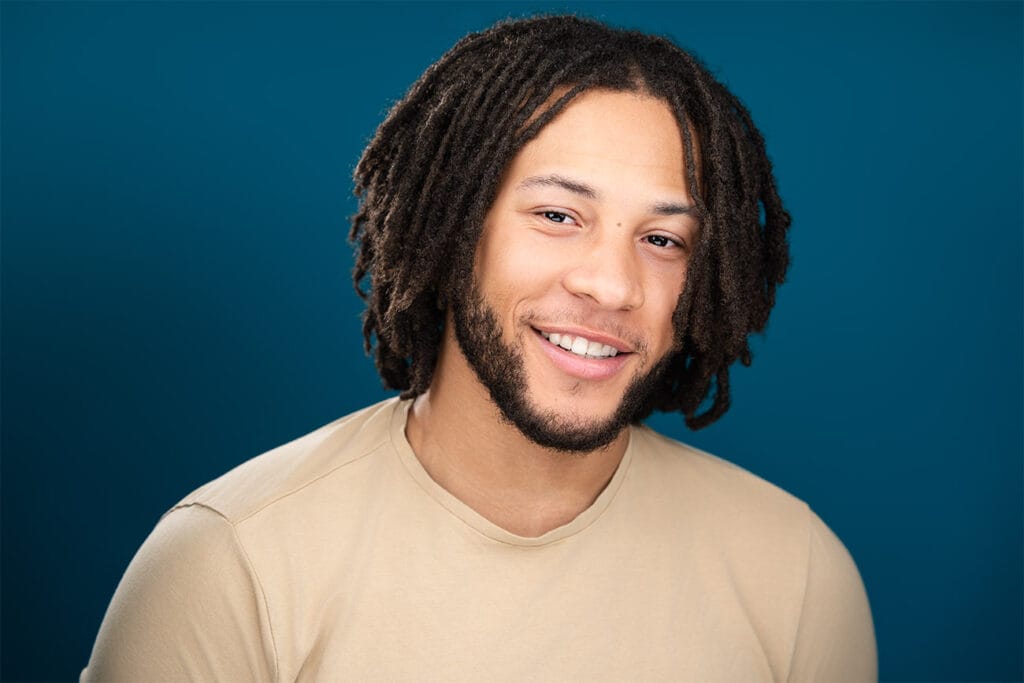
For actors, a headshot is more than just a photo. It’s your first impression. Long before a casting director meets you in the room, they meet you through your headshot.
And in many cases, that one image determines whether you get called in or passed over.
Many actors believe that if a headshot looks great, it will automatically help them book auditions. But a beautiful image isn’t enough. A headshot has one primary job: to communicate who you are and what you bring to a role.
If your headshot isn’t doing that, it may be the reason you’re not getting called in.
Working with a skilled NYC Photographer who understands actors can make a significant difference, but first it’s important to understand why some headshots simply don’t work.
Your Headshot Is Your First Impression
Casting directors review hundreds, sometimes thousands, of submissions for a single role. They don’t have time to analyze every actor deeply in the first round.
Instead, they scan quickly.
In a matter of seconds, they’re asking themselves questions like:
- Does this actor look right for the role?
- Do they feel believable for the character?
- Can they imagine this person in the story?
Your headshot is the tool that answers those questions.
But if your photo doesn’t clearly represent who you are, it creates confusion instead of clarity.
And confusion almost always leads to a pass.
When Your Headshot Doesn’t Match Who You Are
One of the biggest mistakes actors make is presenting a headshot that doesn’t match their real presence.
Sometimes the photo is overly glamorous.
Sometimes it’s overly stylized.
Sometimes it simply doesn’t reflect the actor’s true energy.
When the actor walks into the audition room looking and feeling different than the headshot, the casting director immediately notices.
And that creates a problem.
The last thing any actor wants is for a casting director to feel like they called in the wrong person.
Casting directors aren’t trying to trick actors or set them up to fail. In fact, it’s the opposite.
Casting directors are rooting for you.
They want you to be right for the role. They want the actor who walks through the door to match the image they saw in the submission.
When the headshot and the person align, everyone wins.
That alignment begins with working with an experienced NYC Headshot Photographer who understands how to capture authenticity rather than artificial perfection.
Your Headshot Needs to Reflect Your Brand
In acting, your brand is simply who you are and what you naturally bring to a role.
Every successful actor has one.
Think about it this way.
If someone says Tom Hardy is in a film, you immediately have a sense of what he’s going to bring to the role.
If someone says Meryl Streep is in a film, you also know the kind of depth and presence she brings.
That’s their brand.
Casting directors understand it instantly.
But for most actors early in their careers, casting directors don’t know them yet. They have no reference point.
The only thing they have is your headshot.
That image needs to communicate your essence clearly and honestly.
A strong headshot tells the viewer:
- who this person is
- what kind of energy they bring
- where they might fit in a story
This is why many actors work with a NYC Actor Headshot Photographer who understands how to capture personality rather than just appearance.
The Problem With Trying to Be Everything
Another common mistake actors make is trying to show too many possibilities in one headshot.
Many actors believe they can play a wide variety of roles, and in many cases that’s true.
But when you’re building a career, you have to start somewhere.
Your headshot should focus on your bread and butter first — the roles you naturally fit.
These are the roles casting directors will see most easily when they look at you.
Once you establish that identity, your range can grow. Over time, your brand evolves.
But at the beginning, clarity is far more powerful than versatility.
Trying to be everything to everyone often results in a headshot that communicates nothing clearly.
Signs Your Headshot Might Not Be Working
Actors often struggle to evaluate their own headshots objectively. But there are some clear warning signs that a headshot may not be serving its purpose.
A headshot may not be working if:
- It looks overly glamorous or stylized.
- It doesn’t resemble how you look in the audition room.
- It feels generic or interchangeable with other actors.
- It doesn’t communicate a clear type or energy.
- It focuses more on beauty than authenticity.
Remember, casting directors aren’t looking for the most perfect-looking photo.
They’re looking for someone who feels believable for the role.
Authenticity always wins.
A Headshot Is Not a Fashion or Beauty Shoot
Another trend that has been showing up more and more in recent years is headshots that look like fashion or beauty photography.
And while those images can be stunning, they often miss the point of what a headshot is supposed to do.
A headshot is not a fashion shoot.
It’s not a beauty campaign.
And it’s not an editorial portrait.
Many actors see a photo and think, “Wow, I look beautiful.” And that may absolutely be true. But the goal of a headshot isn’t to show casting directors how beautiful you are.
The goal is to show them who you are.
A proper headshot should allow casting directors to clearly see your face:
- Both eyes should be visible.
- Your expression should be clear.
- Nothing should be covering your face.
- The framing should be shoulders or chest and above.
Hands, props, dramatic poses, or editorial gestures might work well for portraits or branding images, but they take away from what a headshot is meant to do.
If your hands are covering your face, if your hair is hiding one eye, or if the lighting is so dramatic that half your face disappears, casting directors lose the clarity they need.
And clarity matters.
When reviewing submissions, casting directors move quickly. They don’t have time to search through multiple photos trying to figure out what someone actually looks like.
If a headshot doesn’t clearly show the actor’s face, it can create hesitation. And hesitation often means moving on to the next submission.
This perspective doesn’t just come from photography experience — it also comes from casting. When reviewing actors for short films and modeling projects, the first instinct is always to look for a clear, honest representation of the person.
If the face isn’t visible, it raises questions.
And a headshot should never raise questions.
It should provide answers.
The Bottom Line
Your headshot is often the first thing a casting director sees. It’s your introduction before you ever step into the room.
If the image reflects your true brand, your energy, and your natural casting type, it makes their job easier. It allows them to confidently bring you in for the role.
But if the headshot tells a different story than the actor who walks through the door, the opportunity can disappear just as quickly as it appeared.
The goal isn’t to look perfect.
The goal is to look real, recognizable, and right for the role.
Call to Action
Ready to create headshots that actually get you called in?
Work with an experienced NYC Actor Headshot Photographer who understands how casting directors review submissions and how to capture the authentic brand that makes you stand out.
Book your session today and create headshots that truly represent who you are as an actor.