Your profile photo may be the first moment a recruiter, casting director, client, or potential partner decides whether to learn more about you. That is a lot to ask of one image. Working with a personal branding photographer in NYC gives that image a clear job: present you as capable, approachable, and aligned with the work you want next.
Personal branding photography is not about trying to look like someone else. It is about making it easier for the right people to understand who you are, what you do, and why they should trust you. In a city where nearly everyone is visible online, a current, intentional portrait can help you stand out for the right reasons.
What Personal Branding Photography Is Really For
A strong branding photo is more than a polished headshot. It is visual evidence of your professional presence. For an entrepreneur, that may mean images for a website, speaking announcement, media feature, and social profile. For a corporate professional, it may mean a credible LinkedIn portrait, executive bio image, and a few environmental portraits that show leadership without feeling overly formal. For an actor or creative, the goal may be a set of images that feel specific, current, and marketable.
The best images answer practical questions before anyone asks them. Do you look prepared? Do you seem confident in your role? Does your image match the level of work you are pursuing? These are subtle signals, but they shape perception quickly.
A headshot can be enough when you need one excellent, versatile image. A personal branding session makes more sense when you need visual range across several platforms. It may include a clean studio portrait, a relaxed seated image, a detail shot of you working, or an environmental portrait in an office, neighborhood, or workspace that supports your story.
Why NYC Location Matters
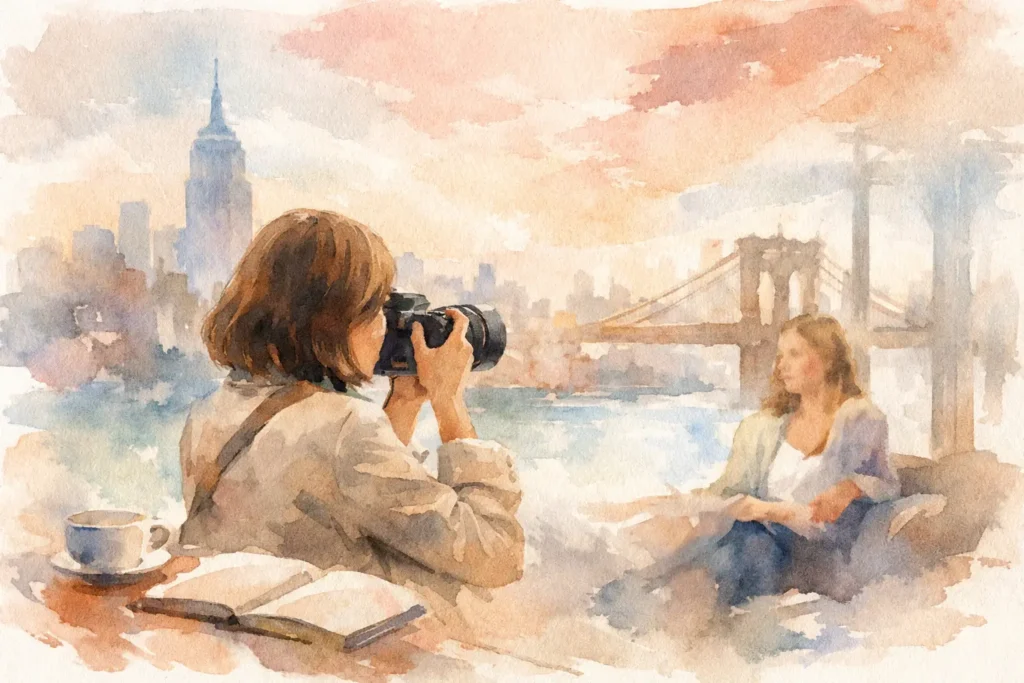
New York offers visual variety, but it also creates a common problem: too much choice. A busy street, dramatic skyline, or trendy café can look exciting in the moment while pulling attention away from you. The setting should support your brand, not compete with it.
A finance leader may benefit from a refined office environment or an architectural city backdrop. A therapist, consultant, or coach may want softer light and a calmer setting that feels personal and accessible. A founder in a creative field may want an energetic neighborhood location, provided it still feels focused and professional. There is no single New York look that works for everyone.
This is where a photographer’s guidance matters. Location, light, wardrobe, and expression need to work together. A casual outfit against a formal corporate backdrop can feel disconnected. A highly stylized location may date quickly. Often, the most useful choice is a simple setting with good light that keeps the attention where it belongs: on your face and presence.
What to Decide Before Your Session
You do not need to arrive with a mood board and every answer figured out. You do need a sense of purpose. Before booking a personal branding photographer in NYC, think about where the photos will appear in the next year and what you want viewers to take away from them.
Start with the audience. Are you trying to connect with hiring managers, prospective clients, casting professionals, investors, or an internal leadership team? The same person can need different images for different contexts. A friendly small-business owner may want warmth and direct eye contact. A senior executive may need a calm, decisive image that feels polished but not stiff.
Then consider the message. Most people want to communicate some version of capable, trustworthy, and approachable. That is a good foundation, but it becomes more effective when you make it specific. Perhaps you want to look analytical and steady, creative and collaborative, or direct and energetic. Those distinctions influence wardrobe, location, posture, and the amount of formality in the final images.
It also helps to prepare a realistic shot plan. For a full branding session, you may need images for:
- LinkedIn and professional directories
- Your website or portfolio
- Social media profiles and posts
- Press, podcasts, speaking engagements, or proposals
This planning prevents a familiar outcome: receiving beautiful photos and realizing none is cropped correctly for a banner, article byline, or horizontal website section.
The Difference Between Looking Posed and Looking Present
Many clients say the same thing before a session: “I’m not comfortable in photos.” Usually, that does not mean they are incapable of being photographed. It means they have been left without direction, shown unflattering images, or asked to perform confidence on command.
A good session should not rely on you knowing what to do with your hands or how to create the right expression in a second. Clear direction makes a visible difference. Small adjustments in body angle, chin position, posture, and eye line can make an image feel more natural and more assured. Honest feedback helps, too. If a smile is reading as forced or a pose feels too formal for your brand, it is better to adjust in the moment than hope editing will fix the issue later.
The goal is not perfection. It is presence. The strongest portraits often have a sense that the person is genuinely engaged, not frozen into a generic professional expression. That is why comfort is not separate from quality. It is part of quality.
Wardrobe Should Support, Not Distract
What you wear should make you feel like a more prepared version of yourself, not like you borrowed someone else’s uniform. Choose clothing that fits well, photographs cleanly, and fits the level of your work. Solid colors and subtle texture often work well because they keep the focus on your face.
Bring options when possible. A blazer can create a more formal look, while removing it may give you a second image with a more approachable feel. A simple change in layer, neckline, or accessory can expand the range of the gallery without turning the session into a fashion shoot.
There are trade-offs. Trend-forward clothing can make an image feel current, but it may date faster. Very formal attire can establish authority, but it can also create distance if your work depends on warmth and accessibility. When in doubt, choose what is credible for your audience and comfortable enough that you can move naturally.
Make the Final Images Useful
The value of branding photography comes from using it consistently. Once you have images that feel accurate and professional, update the places where people are likely to encounter you. That may include your LinkedIn profile, company bio, website, speaker page, email signature, proposal templates, and social platforms.
Consistency does not mean using the exact same image everywhere. It means that the images feel like the same person. When your portrait, website copy, and professional role all tell a coherent story, people can process your credibility faster.
For organizations, consistency is especially important. Team photos with wildly different lighting, crops, backgrounds, and quality levels can make a company look fragmented, even when the work is excellent. Coordinated office headshots give employees a professional resource while helping the company present a more unified public face. SoVane Photography approaches this process with practical planning and clear direction so individual personalities still come through.
A Better Standard for Your Next Photos
Personal branding is not an exercise in self-promotion for its own sake. It is a way to remove uncertainty from the professional opportunities you care about. Your images should make it easier for people to see your experience, recognize your point of view, and feel confident reaching out.
Choose photos that still feel like you on a good, focused day. That is the standard worth bringing to the camera.